Articles from the month of January!
New Year 2026

New Year is one of the most widely observed holidays, aside from Christmas. Much preparation is made—especially in the sharing of food and desserts, and in the arrangement of decorations that bring color not only to the table but to the entire home. All these create a joyful and hopeful atmosphere in welcoming the new year. However, beyond these external and temporal expressions, the inner disposition and spiritual aspect deserve even greater importance. This is what we sought to observe here in the novitiate.
The novices attended the New Year Vigil Mass at the Augustinian Monastery of Saint Rita. After the Mass, they spent time in the novitiate chapel for Eucharistic Adoration, led by Fr. Dipi, OSA, the Novice Master. This devotional practice before the Blessed Sacrament helps the novices cultivate their spiritual life and reminds them that, at the end of time, all returns to God. Through this sacred time of adoration and silent prayer, they were given the opportunity to praise and thank God, especially for the blessings of the past year, and to offer their personal intentions.
A simple gathering followed, aimed at strengthening fraternal bonds within the community. It was a time of sharing food, singing karaoke, and enjoying one another’s presence. As the clock struck midnight, the sky lit up with spectacular fireworks, displaying vibrant colors and patterns that brought smiles and wonder to all who watched.
Celebrating the New Year may not always feel new, but each celebration carries something unique and meaningful. For us here in Novitiate, it is making God the center of every beginning, recognizing that true “new year” comes not merely from the passing of time, but from a heart continually turned toward Him each time in every year. In this spirit, we step into the new year with gratitude, hope, and a renewed commitment to grow in faith and community as we continue our novitiate formation journey.
by: Nov. Christian Lendelud L. Delcampo
Walking with Jesus: A Journey of the Heart
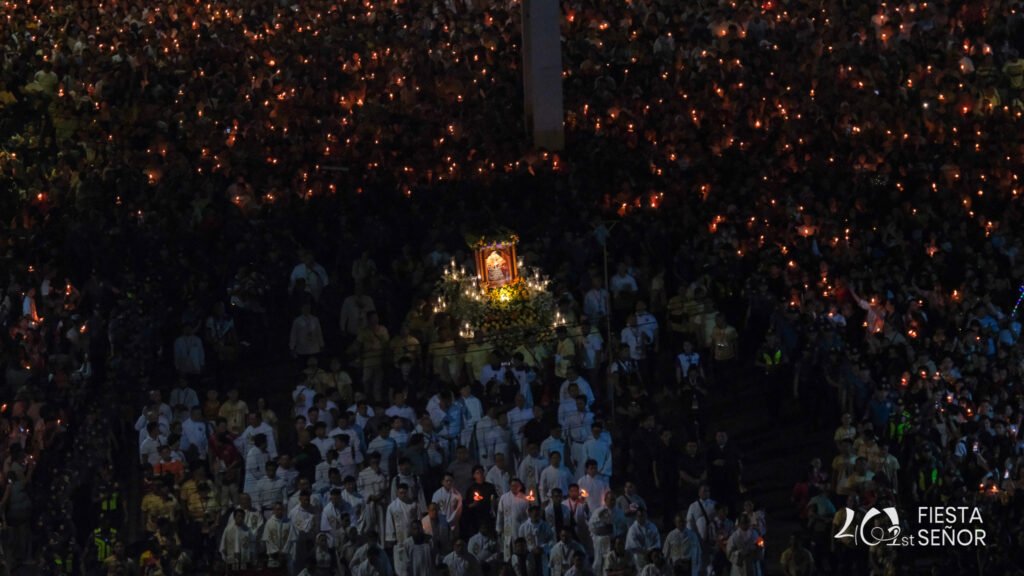
Photo taken from Basilica Minore del Santo Niño de Cebu Facebook page
To walk with Jesus is to enter into a living relationship with God—one that moves beyond words and is expressed through faithful action. In the early dawn of Fiesta Señor 2026, as Cebu City awakened, more than 240,000 devotees gathered and walked together in the Walk with Jesus, the solemn opening of the Sinulog celebrations. Before the music, before the crowds, and before the festivities, the people chose to walk in prayer, offering their steps as an act of faith, thanksgiving, and repentance.
As the city streets filled, the movement of the crowd became a living testimony of unity. Carefully guided and peacefully managed, the procession reflected both deep devotion and shared responsibility. Each step taken along the route was a silent prayer—some offered in gratitude for blessings received, others in hope for healing, guidance, and mercy. In the stillness of dawn, Cebu became a sacred path, transformed by faith and reverence for the Señor Sto. Niño.
To walk with Jesus is to embody faith in motion. Walking requires patience, perseverance, and trust. We do not rush ahead, nor do we remain standing still; instead, we journey with Christ, allowing Him to set the pace of our lives. In walking, we learn to listen—to the quiet voice of God in our hearts, to the cries of others along the road, and to the gentle invitation to surrender what we cannot carry alone.
In the Santo Niño, we encounter a God who chose to walk with humanity in humility and tenderness. The Child Jesus reminds us that God comes close—small enough to be held, yet powerful enough to transform lives. As we walk with the Santo Niño, we are invited to rediscover childlike trust: a faith that believes without demanding proof, a hope that endures even in uncertainty, and a love that remains simple, sincere, and open. The road becomes a sacred space where heaven meets earth, and ordinary streets are transformed into paths of grace.
Walking with Jesus is also a penitential journey. Each step becomes an offering of repentance and renewal—a letting go of pride, resentment, and fear. As the body moves forward, the heart is slowly changed. We walk carrying our burdens—our struggles, unanswered prayers, and silent wounds—but in walking with Christ, these burdens are shared, healed, and redeemed. Transformation unfolds not all at once, but gradually, through faithful perseverance.
We do not walk alone. Surrounded by countless others, we discover that faith is a communal journey. Strangers become companions, and individual prayers rise together as one voice. In walking side by side, we learn compassion, patience, and responsibility for one another. The young, the old, the strong, and the weary move as one body, reflecting the truth that in Christ, we are united as one people, called to care for and protect one another.
Yet the walk does not end when the procession concludes. Walking with Jesus continues in daily life—in our homes, workplaces, and communities. The true measure of our walk is seen in how we love, forgive, serve, and remain faithful amid ordinary struggles. To walk with Jesus is to carry His presence into the world, becoming living witnesses of His mercy, justice, and peace. Walking with Jesus, guided by the Santo Niño, is a lifelong pilgrimage of faith. It is a journey marked by hope, humility, and love—a path where every step draws us closer to God and to one another, until our lives themselves become a living prayer.
by: Nov. Vu Dang Quoc Viet
St. Augustine on Prayer: A Journey of Prayerful Waiting for Christ
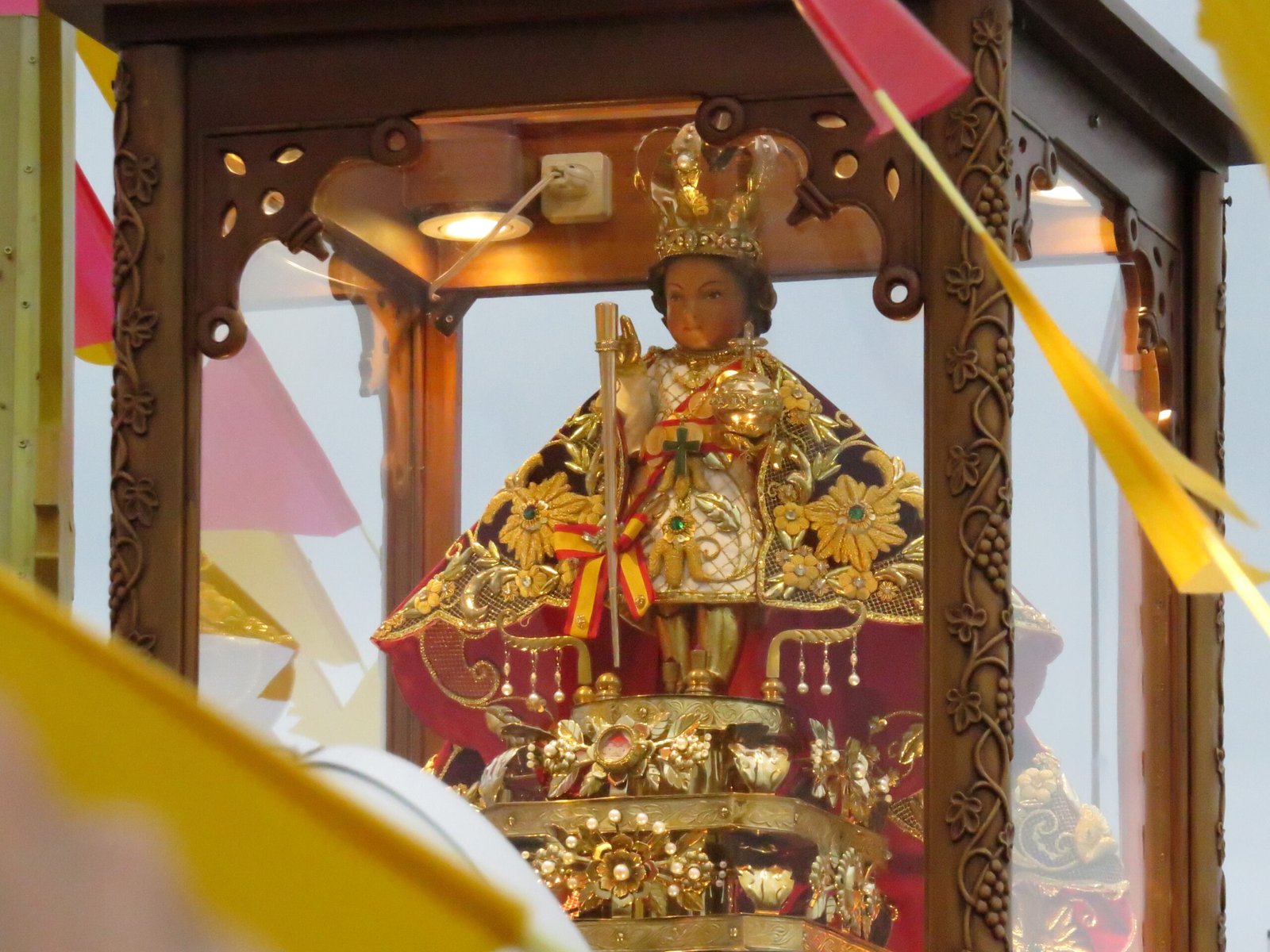
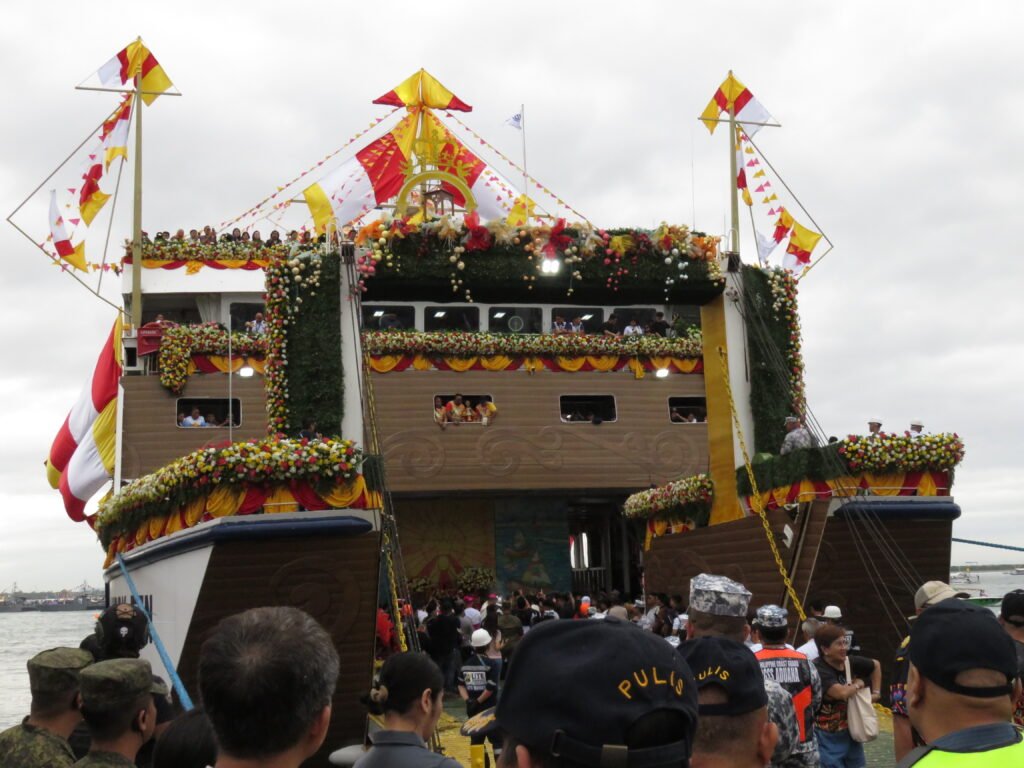
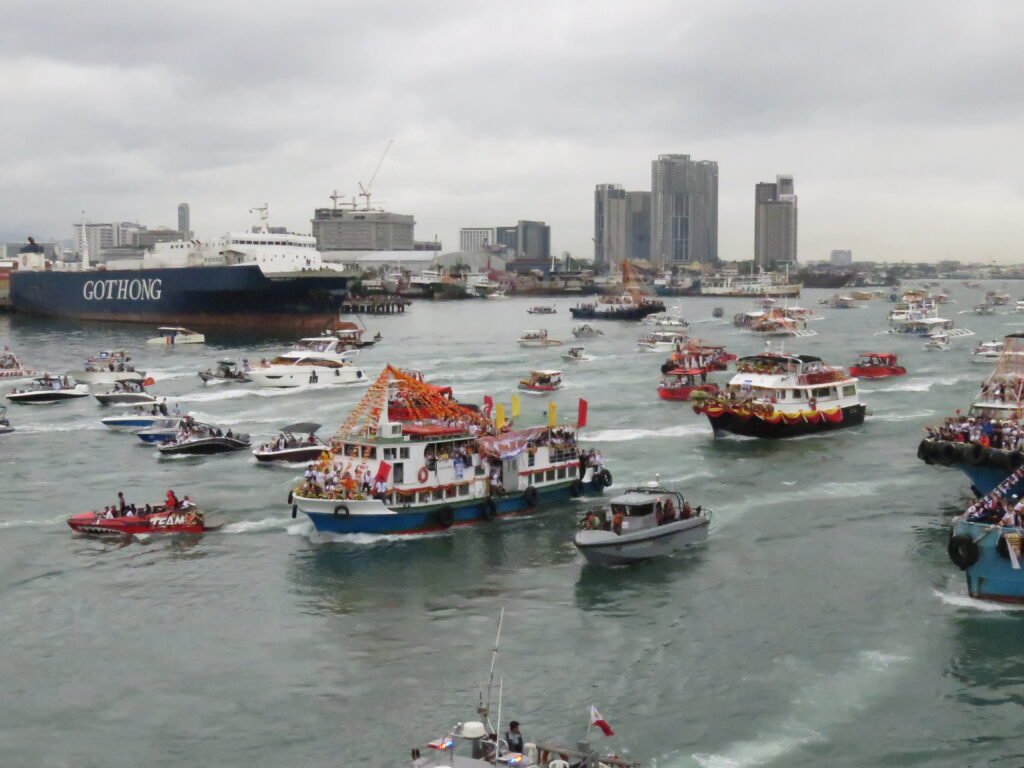
On the Saturday morning before January 17, 2026, the waters between Mactan and Cebu City once again became a living catechism. The Santo Niño Fluvial Procession, a premier event of the Sinulog Festival, is not merely a historical reenactment of the 1521 arrival of the Holy Image. It is a profound theological sign: God comes to His people.
Led by the official galleon, M/V Lite Ferry Ten, the image of the Santo Niño—together with Our Lady of Guadalupe and St. Joseph—crossed the Mactan Channel accompanied by hundreds of decorated vessels. At dawn, hymns rose above the sea, transforming the waters into a space of prayer. This movement from Mactan to Cebu recalls the first proclamation of the Gospel in our land. Yet more deeply, it proclaims a perennial truth: Christ always takes the first step toward humanity.
1. The Sea as a Symbol of the Pilgrim Church
In the Augustinian tradition, history is a journey toward God. The sea in the fluvial procession represents the restlessness of the human heart—cor inquietum—which longs for its true homeland. As St. Augustine writes, “Our hearts are restless until they rest in You.”(Confession1,1). The Church, like the flotilla crossing uncertain waters, advances together in communion. We do not sail alone. Faith is ecclesial; salvation is communal. The Santo Niño, small and humble, stands at the center. In Him, divine majesty appears in vulnerability. This is the pedagogy of God: humility conquers pride, love transforms history.
2. A Novice’s First Encounter: Joy and Interior Awakening
For a novice attending the fluvial procession for the first time, the experience is unforgettable. Standing among the faithful before dawn, watching the sea gradually brighten with the rising sun, the heart is filled with awe and gratitude. The sight of hundreds of boats escorting the Santo Niño creates not only a visual spectacle but a deeply spiritual emotion.
As a novice, one may feel both small and embraced—small before the immensity of the sea and the centuries-old tradition, yet embraced by the living faith of the Church. The chants, the prayers, the gentle movement of the waves, and the solemn reverence of the people awaken a profound joy. It is not merely excitement, but a quiet certainty: I belong to this pilgrim Church.
In that moment, the vocation to Augustinian life becomes more tangible. The Child Jesus seems to speak personally: “Follow Me with simplicity and trust.” The procession becomes an interior call to deepen one’s commitment, to grow in humility, and to serve the community with a joyful heart.
3. From Mission to Communion
When the image arrives at the pier, the faithful continue with a solemn foot procession to the Basilica Minore del Santo Niño de Cebu. The transition from sea to land is deeply symbolic. The sea signifies mission—going forth, crossing boundaries. The land signifies communion—gathering as one body in worship
For us as Augustinians (OSA), this movement mirrors our charism: interiority leading to community, and community leading to mission. We contemplate Christ within the heart, but we also walk with Him in the streets of the world. The Santo Niño is not only venerated; He is followed.
4. Sailing Toward Hope
The Santo Niño Fluvial Procession is more than tradition; it is a living proclamation of hope. For a novice, it is also a moment of grace—an initiation not only into a celebration, but into a deeper experience of the Church’s faith.
As the image crosses the waters each year, it tells us that Christ continues to journey with His people. He enters our storms, accompanies our uncertainties, and leads us toward communion.
May this celebration renew in us the Augustinian spirit: one mind and one heart intent upon God. And may the Santo Niño guide our vocation and our communities safely across every sea, until our restless hearts finally rest in Him.
by: Dang Huu Duy
Fostering Celibate Friendship in the Community
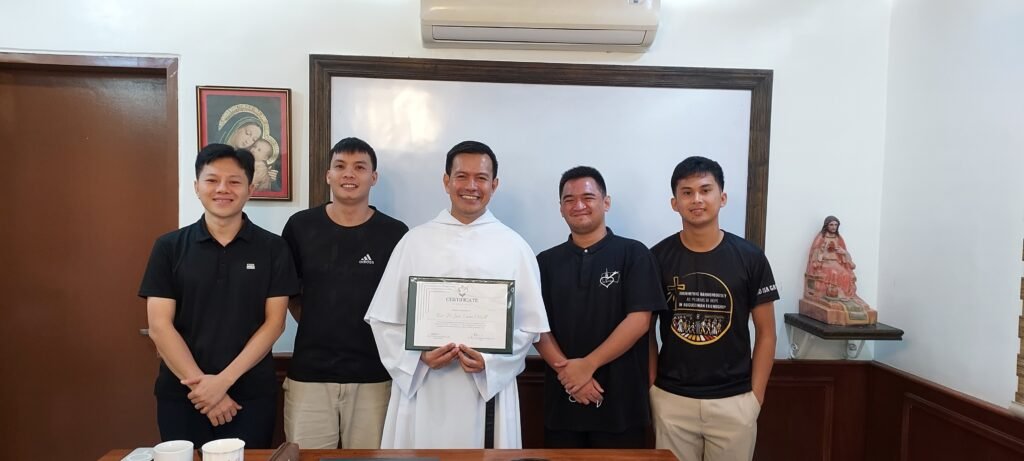
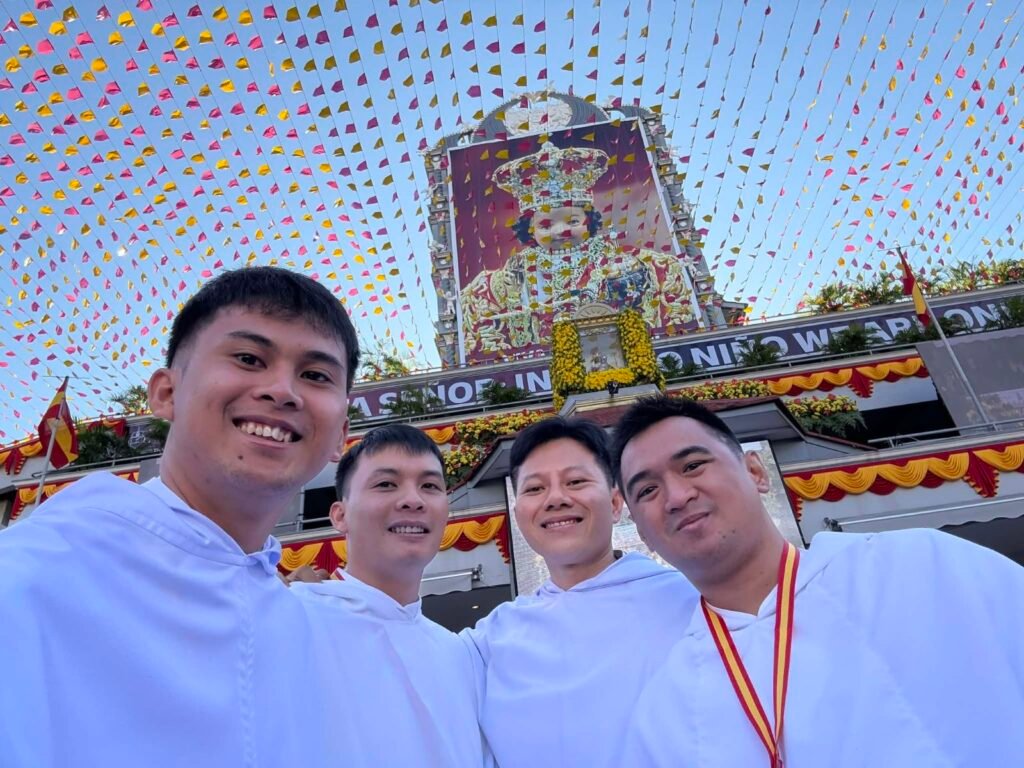
After celebrating the Sinulog festival in Cebu, the novices were once again reminded of the importance of friendship, particularly in “Fostering Celibate Friendship in the Community,” the theme of the first recollection of the year led by Rev. Fr. Jack Luna, OSA, last January 22, 2026.
Fr. Jack began the recollection by inviting the novices to share something about themselves—especially something they had not shared with others before. This activity helped illustrate the content of his talk more clearly. He emphasized that relationships among members of the community are essential, as they form the foundation of Augustinian life:
Fr. Jack began the recollection by inviting the novices to share something about themselves—especially something they had not shared with others before. This activity helped illustrate the content of his talk more clearly. He emphasized that relationships among members of the community are essential, as they form the foundation of Augustinian life: “The main purpose for your having come together is to live harmoniously in your house, intent upon God in oneness of mind and heart.” (St. Augustine, Rule I.3)
He further elaborated on how men of faith are called to nurture friendship among brothers, journeying together toward God by supporting one another and relating to each other with intimacy. This reflects the kind of friendship envisioned by St. Augustine—an openness to life in which each person grows and changes over time.
Celibate friendship is rooted in our friendship with Jesus and is a gift of the Holy Spirit, enabling each member to reclaim their God-given capacity for compassion and deep connection. As Fr. Jack shared, real men are vulnerable: they are able to ask for help, to feel their emotions, and to express them tenderly without shame. This kind of friendship is both valuable and necessary within the Order and among its brethren—a reminder the novices have come to appreciate during their time together in the novitiate.
by: Nov. John Lester Alcoseba